


Published work / STRATA
ATHAR
From the STRATA series
- Medium
- Pintura
- Size
- 31.5 × 47.2 in / 80 × 120 cm
- Series
-
STRATA
 Painting series
STRATA
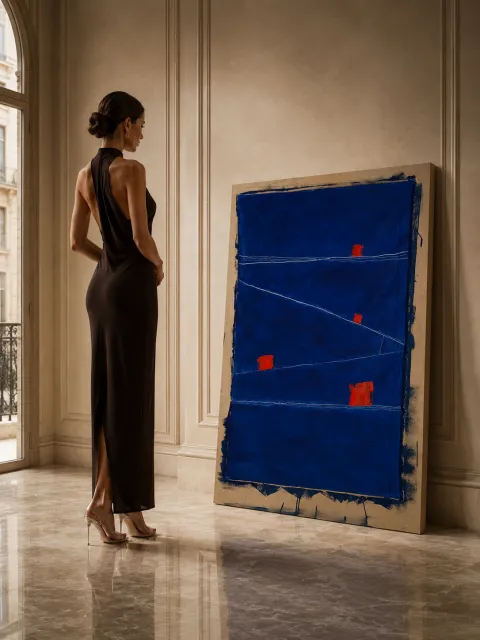
STRATA brings together abstract paintings in which the surface becomes a territory of pressure, cutting and duration. Amid dense chromatic fields, compact blocks and incisions, Maurizio Valch situates memory as a material trace rather than a decipherable narrative. View series
- Orientation
- Vertical
- Context studies
- 19
Conceptual Note
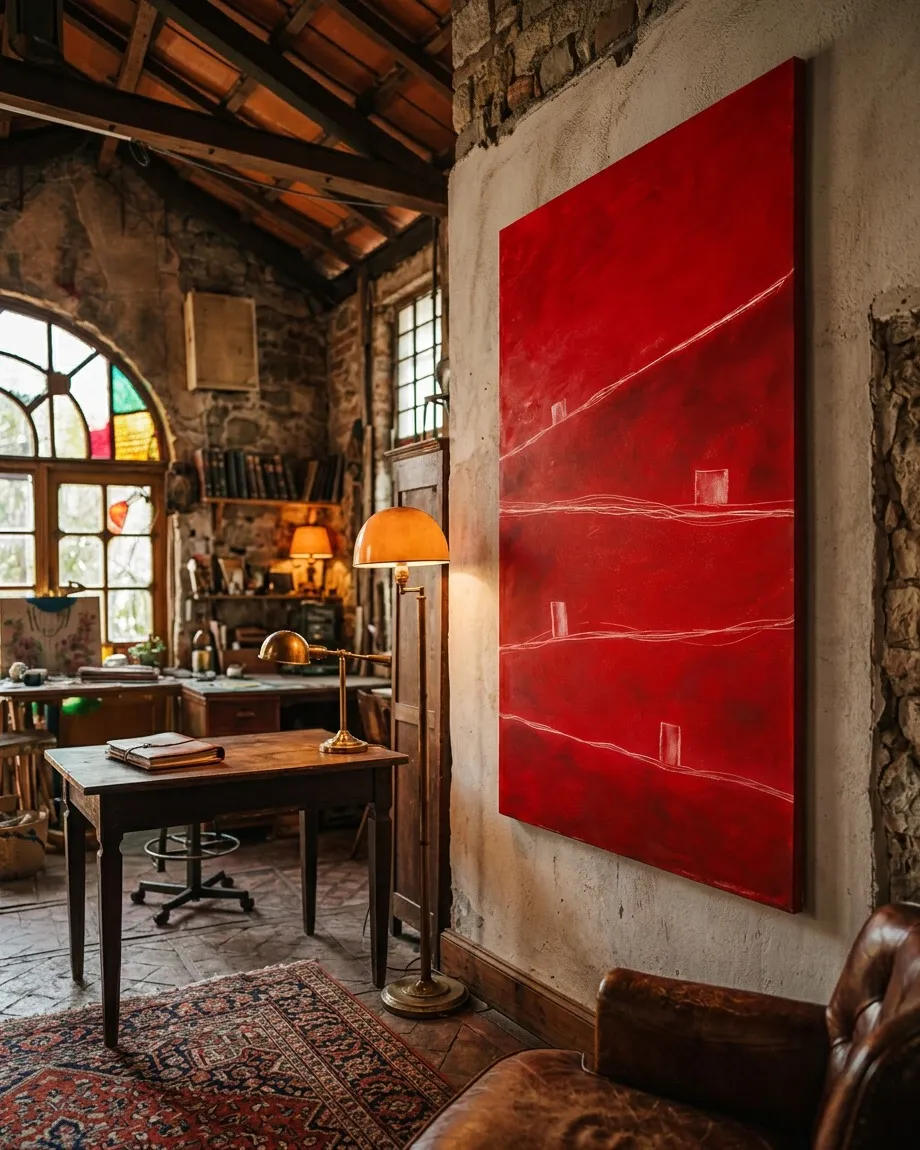
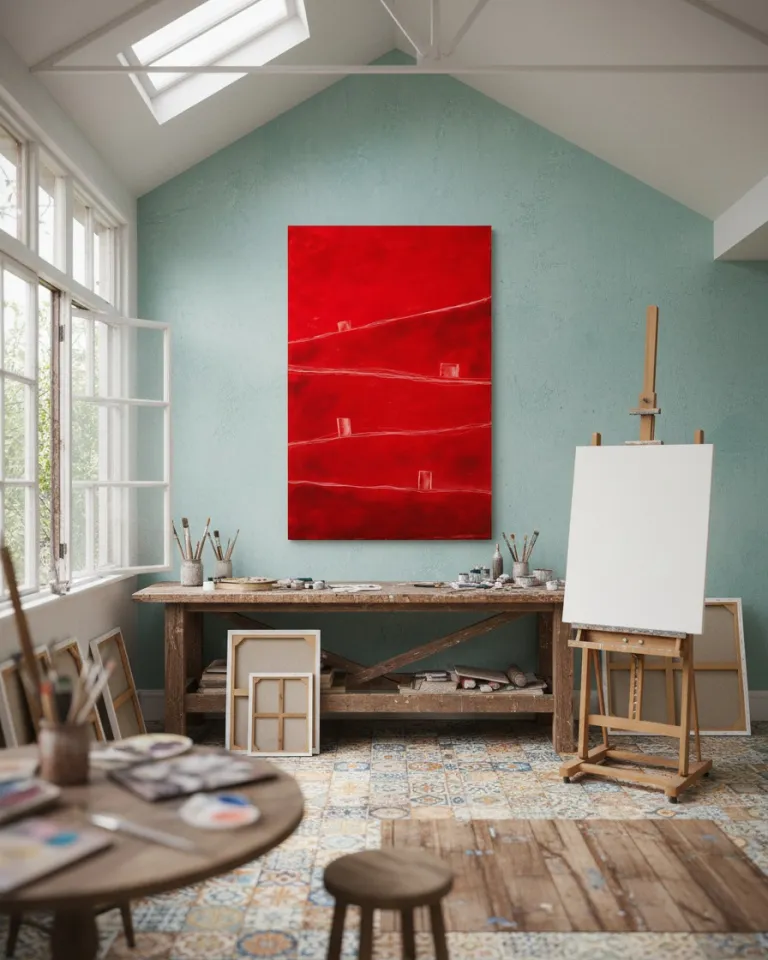
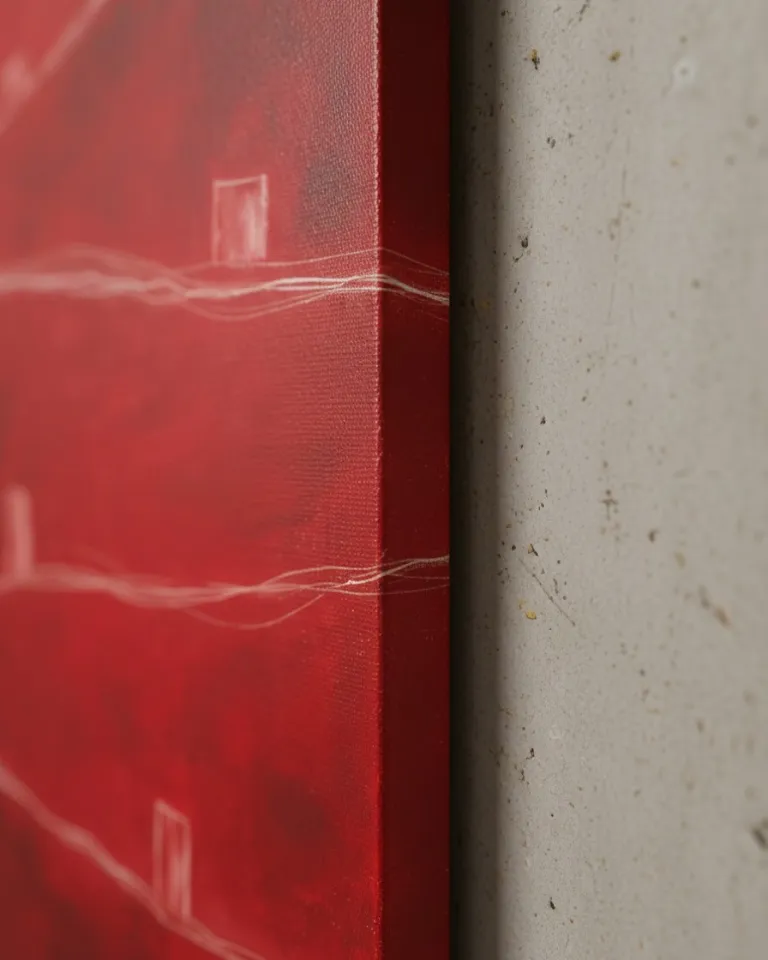
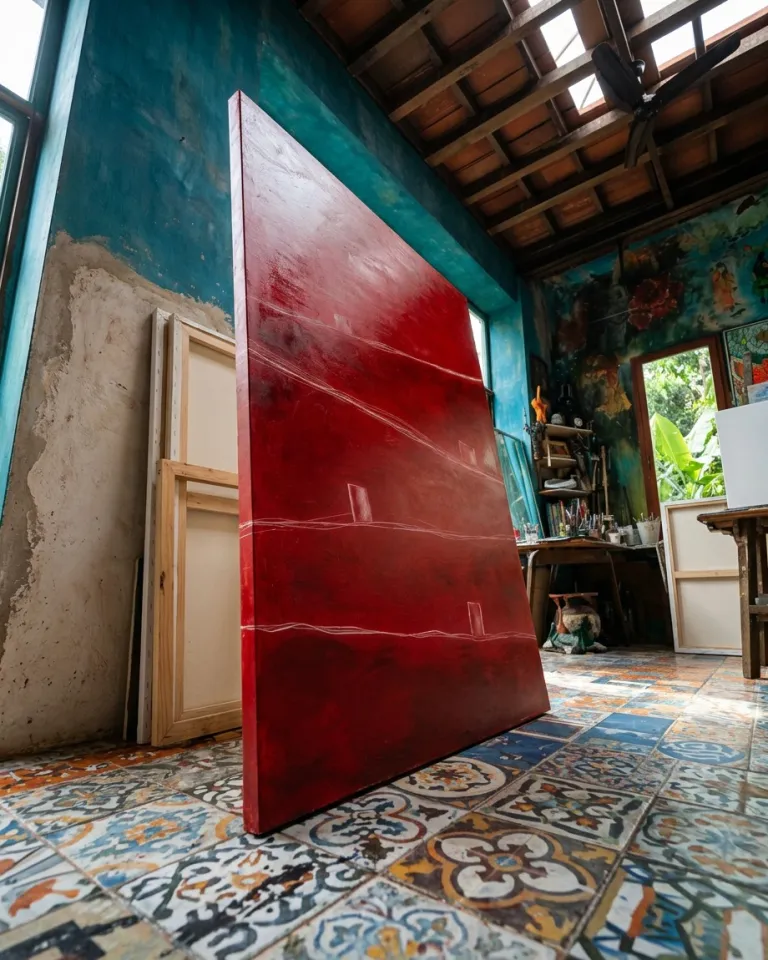
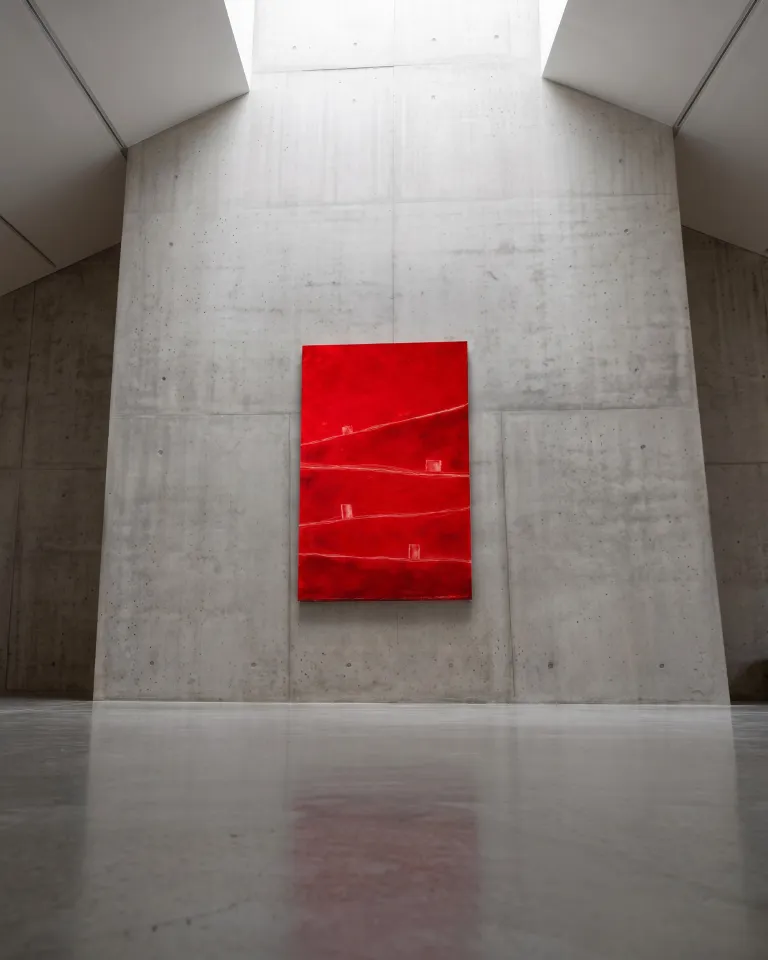
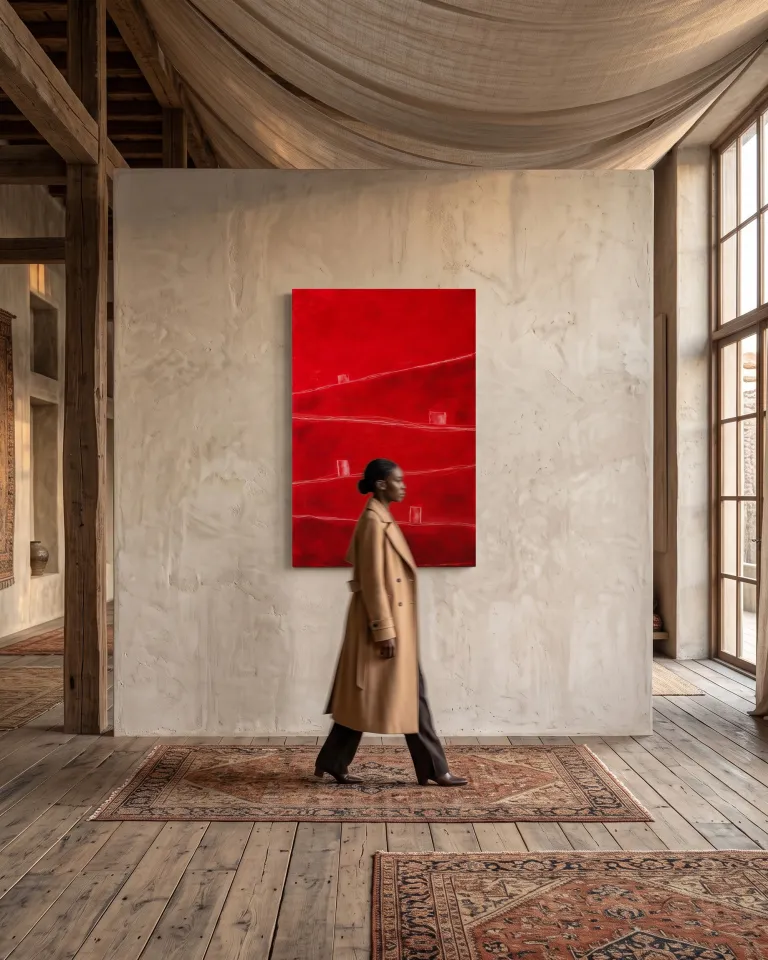
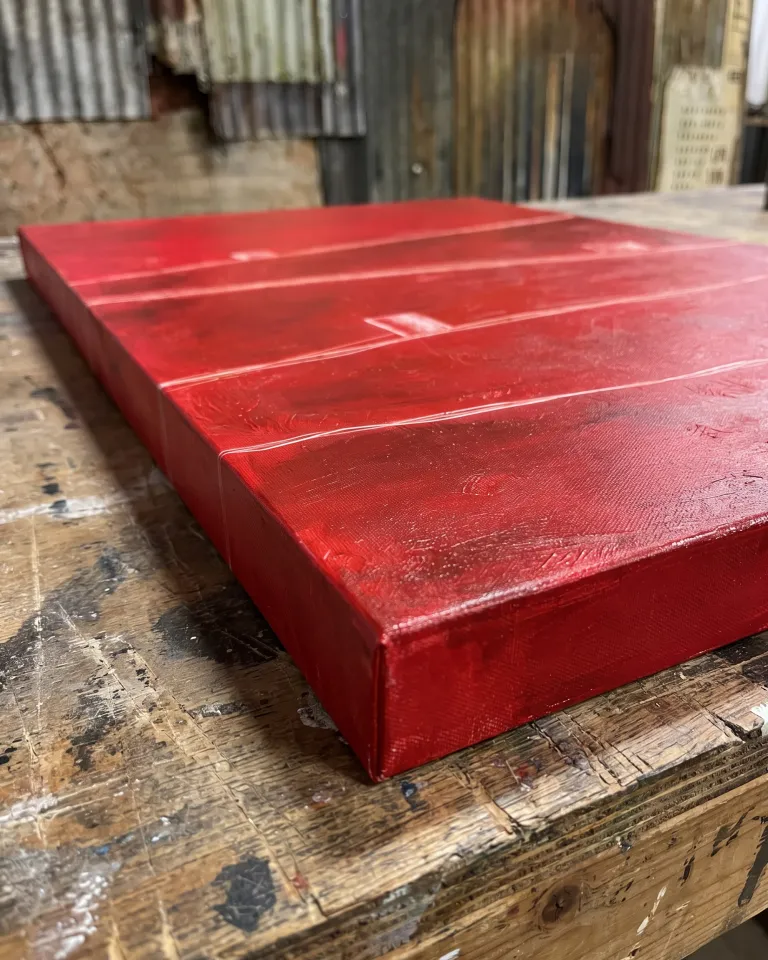
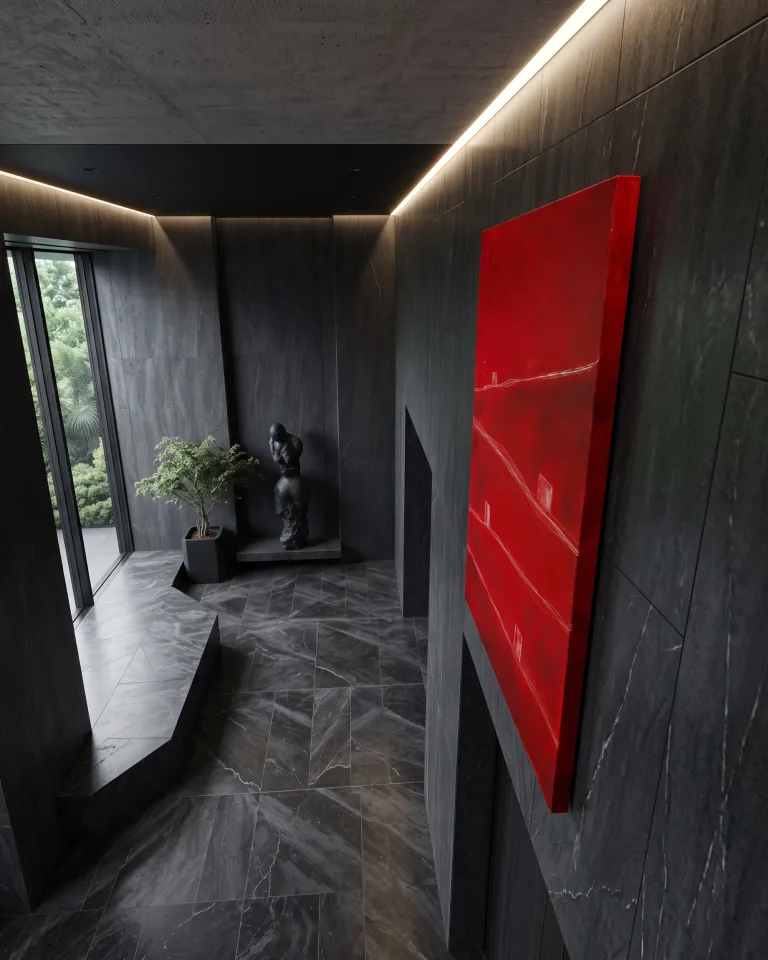
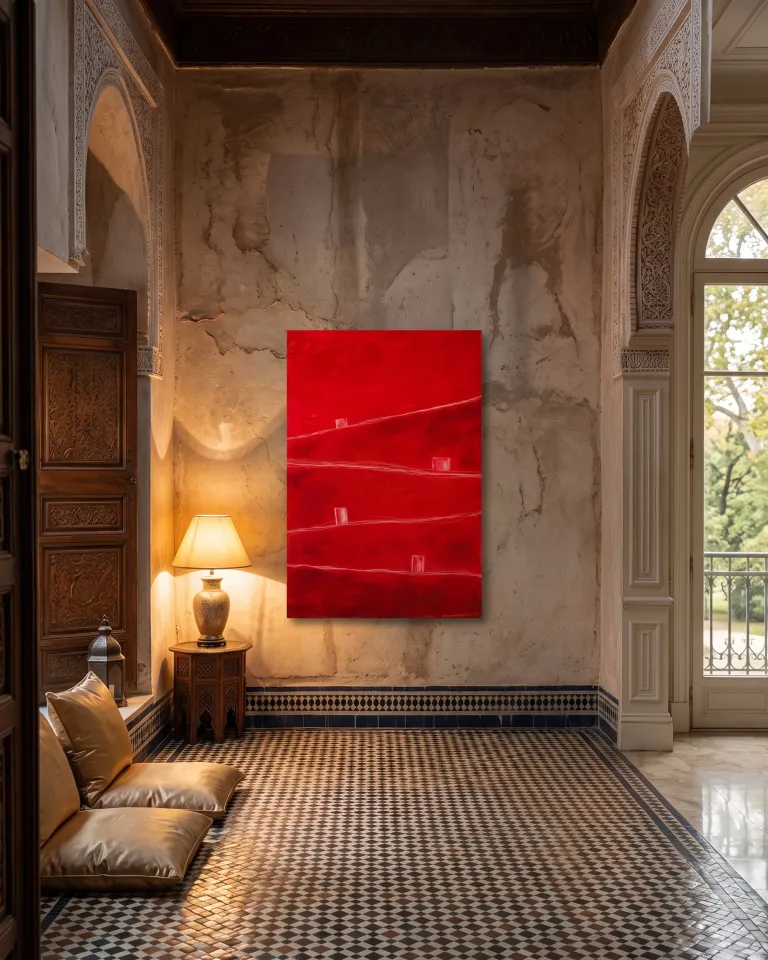
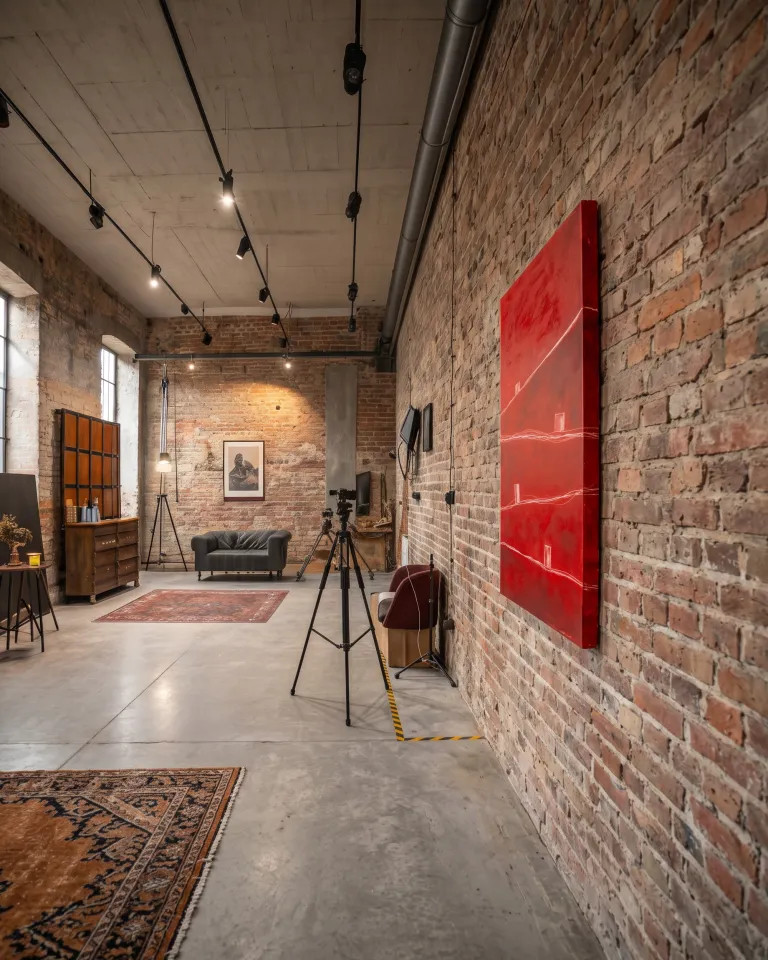
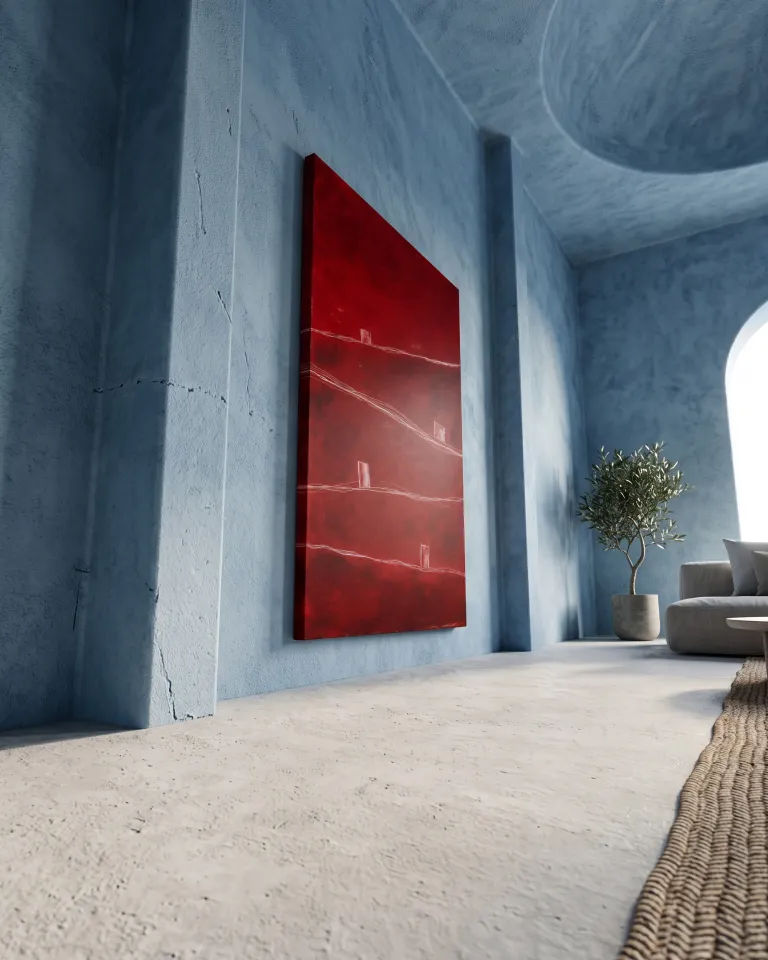
When contemplating the surface of "ATHAR", the viewer is confronted by a dense, visceral chromatic field of crimson red—a territory where the pictorial matter seems to pulse with a contained, internal vibration. The fine horizontal incisions scraping through the oil are not mere decorative marks or conventional vanishing lines; they are true wounds and crevices that divide, fracture, and structure the space into strata of accumulated time. In this landscape of fire and scar, the concept of belonging manifests not as a state of placid or domestic rootedness, but as a tense, physical negotiation with the ground one inhabits. Belonging here implies being irremediably marked by the gravity and roughness of the territory. The four small, translucent white geometric blocks or niches hanging from the incised lines, as if seeking a precarious foothold on a slippery slope, embody this struggle: belonging in Valch's work is not passively inherited, but conquered inch by inch through resistance, friction, and the stubbornness of the matter itself.
When I confront the canvas in the intimacy of my studio, my relationship with the red oil is not one of mere application, but of an intense physical excavation; I use the palette knife not only to add but to subtract, scraping the surface to reveal the underlying light that the pigment attempts to bury. In that act of incision, where the wound of the painting becomes its own structure, my notion of belonging is deeply transformed: I understand that color is not an inert background upon which to paint, but a living body that treasures its own passage of time. As I place these small monolithic blocks in an almost implausible balance on the lines I have traced, constant doubts assail me regarding their destiny on the canvas. I wonder if this sense of belonging I seek to portray is a deliberate choice of the spirit or if, on the contrary, it is an inescapable mark—an inherited scar on the skin of the paint that I lack the power to erase, and which defines both me and the support I hold.
The arrangement of these rectangular blocks introduces an architectural dimension that activates the concept of protection, operating under a highly poignant visual paradox. From an archetypal perspective, the shape of the niche or closed monolith evokes the notion of a safe haven, an impregnable bunker designed to safeguard intimacy or shield a sacred essence from a hostile exterior. However, in ATHAR, these small fortresses hang at varying heights over a subtle yet constant decline, exposed to an imminent fall dictated by the invisible but implacable law of gravity pulsing through the paint. This arrangement generates an unbearable tension between the protective rigidity of the block, which seems jealous of its own secret, and the extreme fragility of the subtractive line that barely sustains it. The work forces us to question whether true protection resides in hermetic isolation within the monolithic structure itself or if, paradoxically, it consists in accepting the inevitable vulnerability of sliding and scraping against the rough surface of the world.
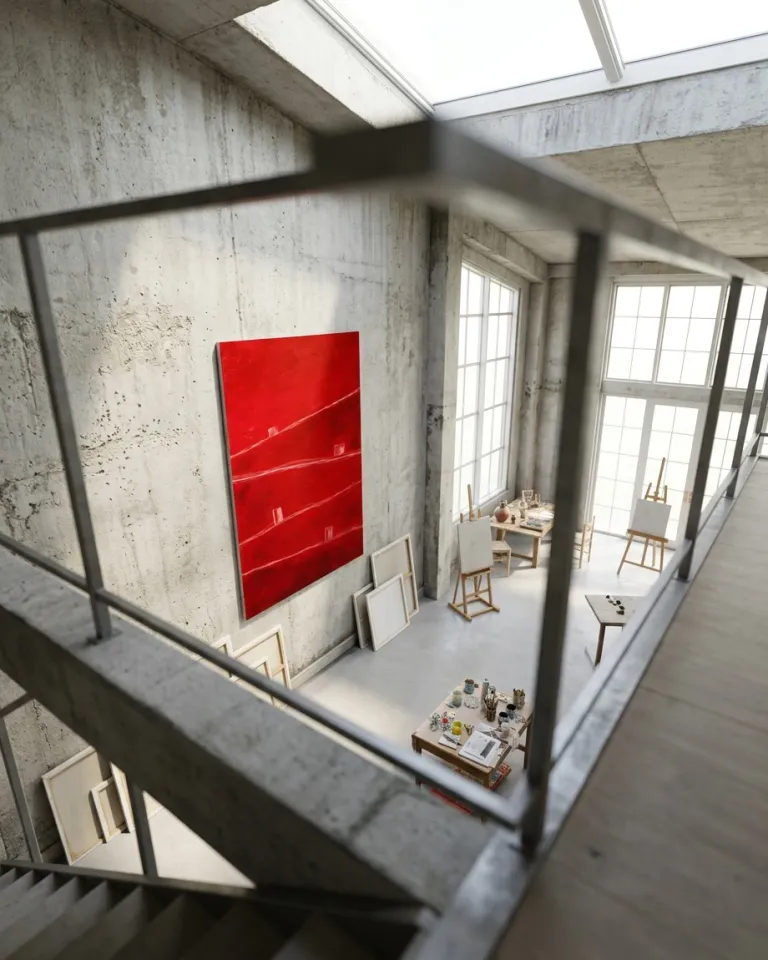
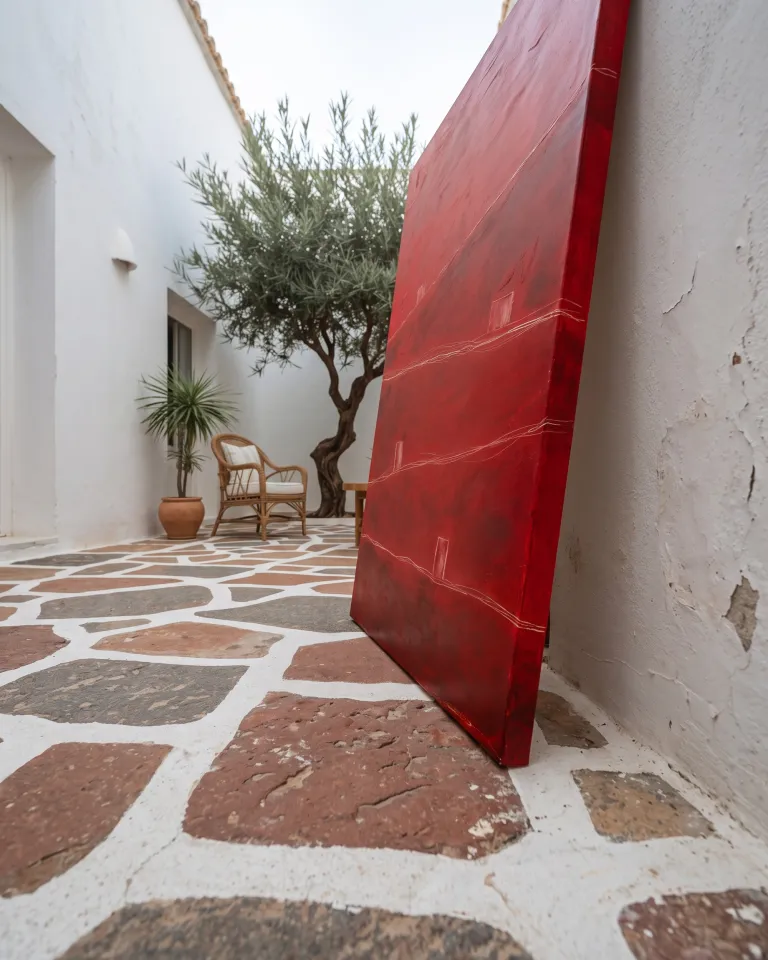
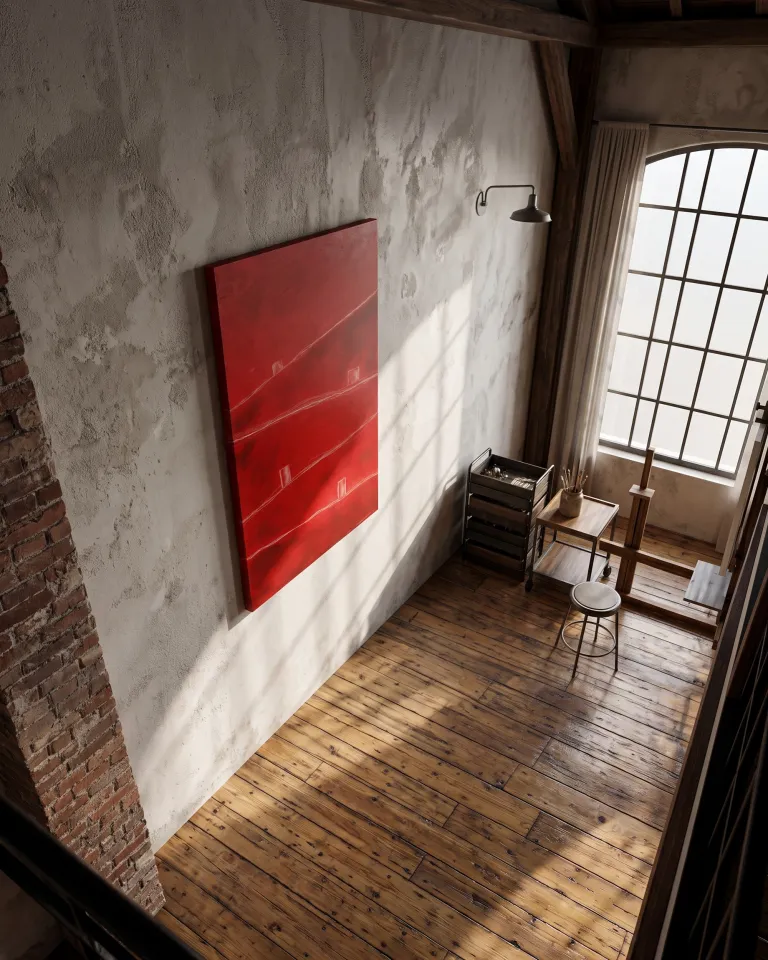
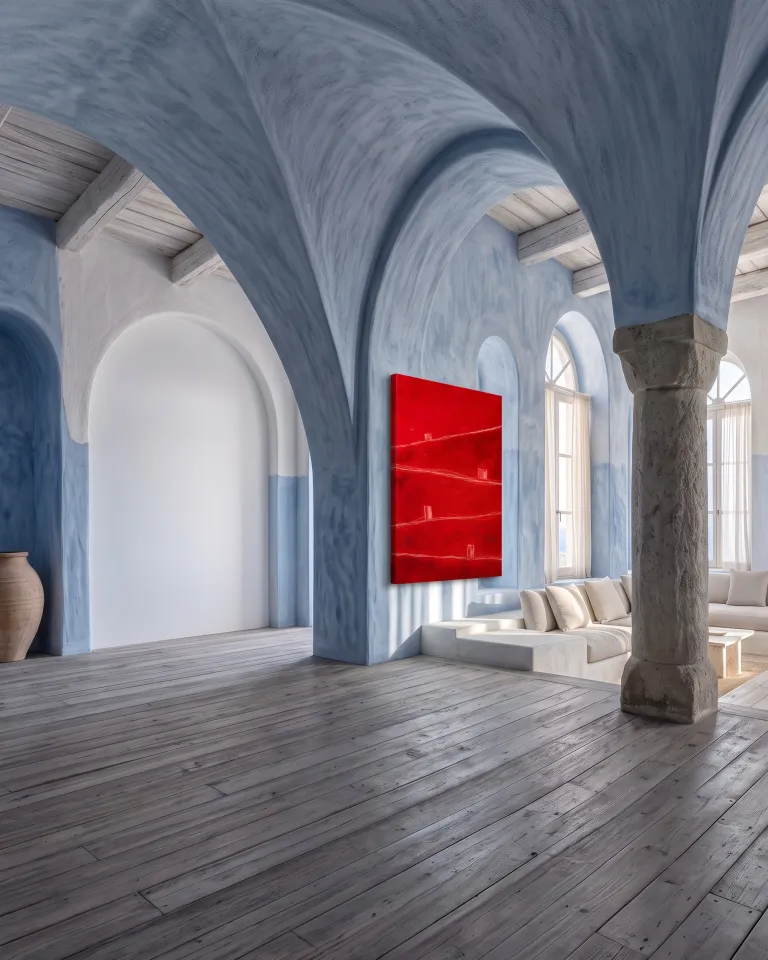
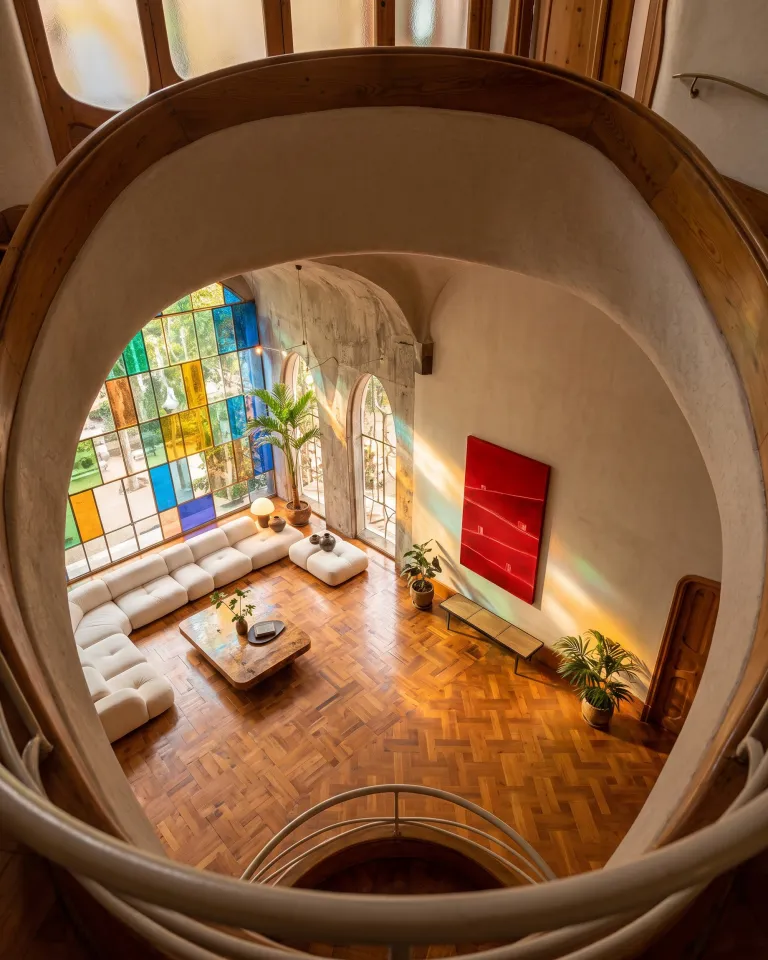
By deciding to extract the work from the protective limits of the easel and the studio to present it leaning directly on the floor, like a freestanding monolith exposed to the uncontrollable variations of natural light, I take a decisive step into the territory of absolute trust. This physical detachment of the piece, which now interacts with the actual horizontality of the floor and the changing atmosphere of the room, is for me an exercise in technical and spiritual surrender and detachment. I cease to exert absolute control over the painting to allow the crimson red and the subtle vibration of my incisions to enter into their own dialogue with the architecture of real space. In my process, trust is not defined as a rational or calculated certainty, but as that precise instant of the abyss in which I decide to cast off the painting's moorings and let the physical and poetic laws of matter operate on their own; it is the supreme courage of allowing the painted secret to remain indecipherable, breathing under its own light.
Ultimately, ATHAR shapes itself into what I call a "tactile shore"—a vibrant membrane where traditional divisions between subject and object, inside and outside, or creator and matter, end up dissolving in a silent communion. The journey of the gaze through the work's four blocks, which ascend or descend in their own geometric Stations of the Cross, does not seek to reach a plain or a final redemption, but finds stability in the acceptance of the slope itself and in the tactile honesty of the fall. As the concepts of belonging, protection, and trust merge on the pictorial plane, the work ceases to be a defensive trench against uncertainty and becomes a threshold of existential reconciliation. Here, belonging to the earth with all its scars, protecting the intimate mystery of existence, and trusting fully in the gravity of our own destiny reveal themselves, under the light that caresses the canvas, as a single, indivisible, and deeply poetic movement of the soul.